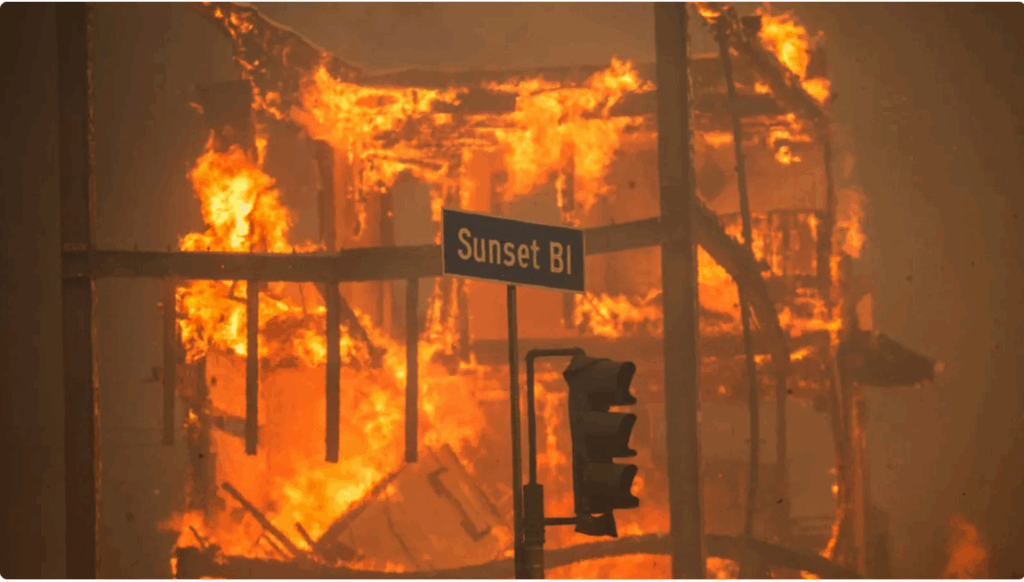
The United Nations has warned that the planet is on track to warm by more than 2.7 degrees Celsius by the end of the century. Climate scientists say that this level of warming will lead to devastating effects such as: extreme heat and weather events, sea level rise, biodiversity loss, and crop yield reduction—disrupting every-day life and business activities.
We are not doing enough. We need to reach net-zero greenhouse gas emissions by 2050. Companies have been exploring this aim, but without clear guidance, there have been different approaches with various degrees of robustness. So, the Science Based Targets Initiative developed guidance to provide a science-based standard for net-zero targets.
What are net-zero targets?
Net-zero targets: (a) REDUCE scope 1, 2 and 3 emissions to zero or to a residual level that is consistent with reaching net-zero emissions at the global or sector level in eligible 1.5°C scenarios or sector pathways and; (b) NEUTRALIZE any residual emissions at the net-zero target date and any GHG emissions released into the atmosphere thereafter.
Net-zero targets are set to be achieved either 1) within ten years, or 2) in more than ten years. If the net-zero target is set for more than ten years, then both the near-term and long-term science-based emission reduction targets are needed, following the requirements and recommendations in the Net-Zero Standard.
Cross-Sector Target Examples:
- Near-term Absolute: Reduce scope 1, 2 emission 4.2% and reduce scope 3 emission 2.5% (linear annual reduction) by 2030.
- Long-term Absolute: Reduce scope 1, 2, 3 emission 90% by 2050 (with base year not before 2015) and neutralize residual emissions.
Are near-term targets that same as SBTs?
The guidance for near-term SBTs has changed to be more aggressive to address the urgent and aggressive action needed. If you already have an approved SBT, you should review the new guidance and be prepared to update your target (the new guidance largely takes effect July 2022, though goals that meet the new standard can start to be validated by SBTi in January 2022).
Boundaries: Near-term targets have the same boundaries as before, including 95% of scope 1 and 2 emission and 67% of scope 3 emission if greater than 40% of total emission are from scope 3. However, long-term SBTs (ten-years or later) include 90% of emission for scope 3.
Ambition: The ambition level for scope 1 and 2 SBTs is now 1.5°C (from a minimum of well-below 2°C) and for scope 3 it is well-below 2°C (from a minimum of 2°C). For long-term SBTs, it is 1.5°C (from a minimum of well-below 2°C) for Scope 3.
Timeframe: The timeframe for near-term SBTs is now 5-10 years (from 5-15 years). Long-term SBTs must be met by 2050 at the latest.
SBTi is developing sector-specific guidance to clarify additional considerations. For example, for the first time there will be Forest, Land Use, and Agriculture (FLAG) guidance that will impact businesses such as food manufacturers, grocery retailers, and food service companies. Near-term guidance for FLAG is expected in March 2022 (long-term guidance included in the net-zero standard).
Can carbon credits (also known as offsets) be used to reach net-zero?
SBTi notes that carbon credits do not count as reductions toward meeting your SBTs. Carbon credits may be used for neutralization of residual emissions. However, deep reductions are needed prior to neutralization and where carbon credits may be an option.
Should my company start focusing on neutralization?
Companies should start to think about lining up GHG removal projects, along with their reduction efforts. It can take several years to develop and launch neutralization/removal projects and it is important that businesses have enough GHG removals to neutralize their residual emissions by their target year and thereafter.
Have more questions? Contact us, our team can help you navigate this net-zero standard and target-setting.